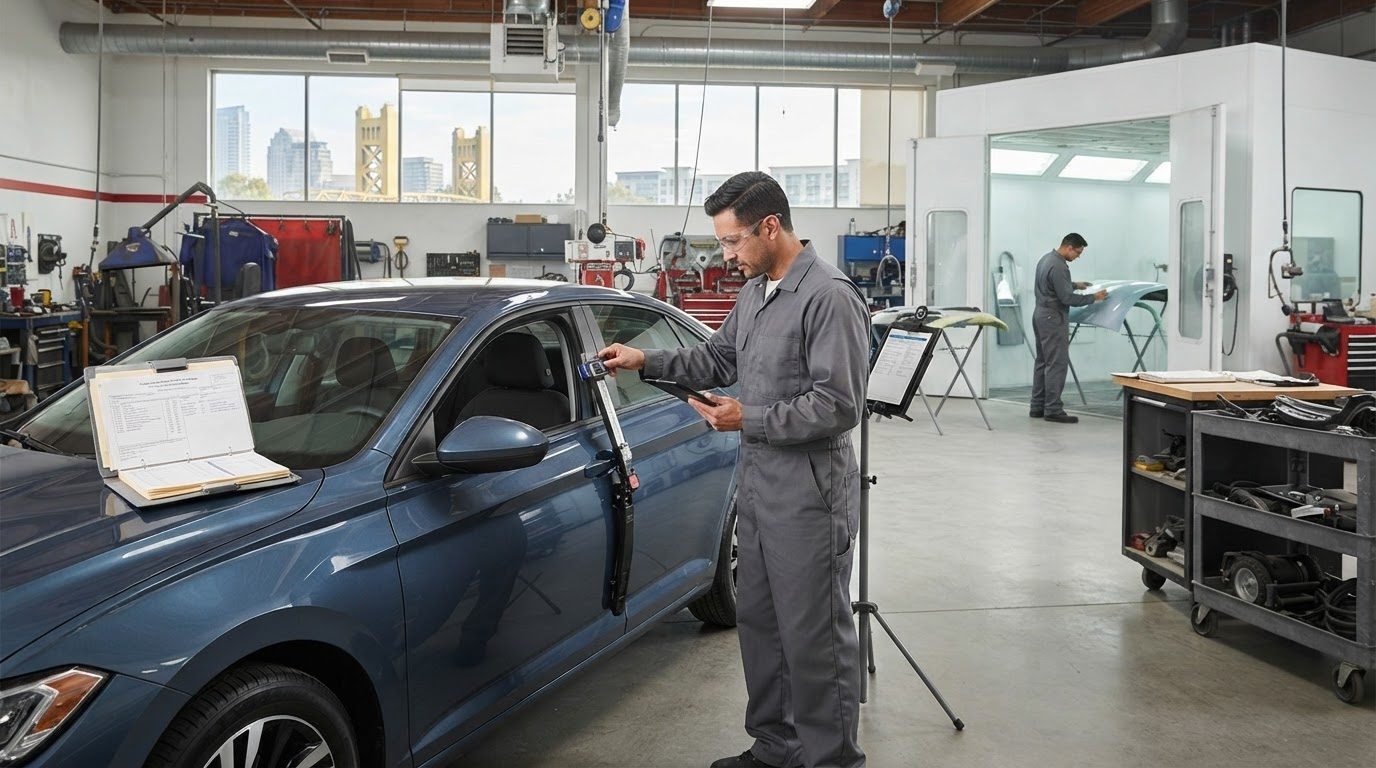
Choosing the Right Collision Repair Path After an Accident in Sacramento

A collision in Sacramento can turn a routine drive into a safety, insurance, and transportation problem within minutes. The visible dent is only part of the story: impact energy may affect the frame, suspension, sensors, restraints, or mechanical systems behind apparently minor damage.

People researching “relux collision” may be trying to understand a local collision-repair option, compare estimate processes, or determine what questions to ask after an accident. The phrase itself is best treated as a search starting point, while the quality of any repair decision depends on documented procedures, transparent communication, and verifiable safety checks.

A sound repair path begins at the crash scene and continues through teardown, structural measurement, refinishing, diagnostic scanning, and final inspection. The following guide explains what Sacramento drivers should expect and how to assess a repair plan without relying solely on an insurer’s initial estimate.

What to Do Immediately After a Collision

First, check for injuries and call 911 when medical assistance or emergency response is needed. Move the vehicle out of active traffic only if it is safe and operable. Turn on hazard lights, use warning devices if available, and avoid standing between vehicles or in an exposed lane.

Document the scene with photographs and notes:

  • Capture all vehicles, damage angles, license plates, road conditions, signs, and debris.
  • Exchange names, contact information, driver’s-license details, insurance information, and vehicle identification numbers.
  • Record witness contact information and obtain the responding officer’s report number when applicable.

Do not drive a vehicle with leaking fluids, a damaged wheel or tire, deployed airbags, severe steering or braking problems, a crushed suspension component, loose body parts, or warning lights indicating critical system faults. A tow is usually safer when the hood, trunk, doors, windshield, lights, or bumper cannot close or function properly.

Notify your insurer promptly, but remember that an insurance carrier’s preferred network does not eliminate your ability to investigate repair options. Ask how the claim will be documented, whether a rental vehicle is covered, and what information the adjuster needs. California drivers should also consider local traffic exposure, summer heat, and rain-related visibility when deciding whether a damaged car can be moved safely.

How a Collision Repair Estimate Becomes a Repair Plan

An initial visual estimate is not the same as a complete damage assessment. The first inspection may identify a damaged bumper, fender, grille, or lamp, but teardown can reveal crushed reinforcements, bent rails, broken brackets, wiring faults, suspension damage, or compromised crash sensors.

A professional assessment typically involves:

  • Photographing and measuring the vehicle before disassembly.
  • Scanning electronic control modules for diagnostic trouble codes.
  • Removing selected parts to inspect hidden damage.
  • Measuring structural points against manufacturer dimensions when frame or unibody damage is suspected.
  • Checking steering, suspension, wheel alignment, cooling, exhaust, and restraint systems.

The resulting estimate should separate parts, labor, refinishing, materials, diagnostic scans, ADAS calibration, structural work, sublet services, and taxes or fees. It should also identify whether parts are new, used, aftermarket, remanufactured, or manufacturer-approved. Costs vary widely: a cosmetic bumper repair may run roughly $500 to $1,500, while multi-panel or structural repairs can reach $5,000 to $15,000 or more. Luxury vehicles, aluminum or composite panels, sensors, and specialized paint can increase both cost and cycle time.

Ask:

  • Which manufacturer repair procedures apply?
  • Will the shop repair or replace each damaged part, and why?
  • Could teardown create a supplemental estimate?
  • Are pre- and post-repair scans included?
  • Which ADAS systems may require static or dynamic calibration?
  • What parts and labor warranties apply?

Estimate requests can be submitted to Relux Collision through its website, and the site states that towing can be arranged based on the vehicle’s situation and information provided.

What Quality Repairs Involve Beyond Bodywork

A complete repair follows a controlled sequence:

  1. Assessment and teardown: Technicians document damage and expose affected components.
  2. Structural correction: A computerized measuring system, frame rack, or pulling equipment may be used to restore unibody or frame dimensions.
  3. Panel repair or replacement: Panels are repaired only when the material and manufacturer procedure permit it.
  4. Refinishing: Proper preparation, color matching, blending, clear coat application, curing, and dust control determine the final appearance.
  5. Reassembly: Clips, moldings, lamps, seals, wiring, sensors, and trim must be correctly positioned.
  6. Final inspection: The vehicle is road-tested and checked electronically and visually.

Panel gaps should be even, doors should latch without excessive force, and the hood and trunk should align with adjacent panels. Paint blending matters because a technically correct color can still look mismatched if it is not blended into neighboring panels. Corrosion protection, seam sealer, cavity wax, drainage paths, weatherstrips, and glass bonding are equally important for long-term durability.

A cosmetic repair restores appearance; a structural repair restores crash-energy management and occupant protection. Those are not interchangeable objectives. A shop serving standard, luxury, and major vehicle brands should be able to explain where procedures differ rather than presenting every repair as identical.

I-CAR Gold Class recognition and OEM-certified technicians are useful indicators of formal training, manufacturer information access, and equipment investment. They are not substitutes for a written repair plan, but they can help customers evaluate whether a facility is prepared for modern vehicle construction, aluminum, high-strength steel, electronics, and ADAS.

Insurance Claims, Deductibles, and Customer Responsibilities

A collision facility may communicate with major insurers, provide photographs and estimates, organize supplements, and help assemble claim paperwork. That assistance can reduce administrative delays, but the owner remains responsible for understanding coverage, approving work, paying the deductible, and confirming rental-vehicle terms.

Before authorization, gather:

  • Claim number and adjuster contact details.
  • Policy information and coverage limits.
  • Police report or incident number.
  • Photos, vehicle registration, and loan or lease information.
  • Rental-car requirements and transportation limitations.

Ask whether the estimate is preliminary, whether supplements require separate approval, and whether storage, towing, teardown, or diagnostic charges are covered. Relux Collision advertises deductible assistance of up to $1,000 and a discount of up to 10%; eligibility, exclusions, insurer restrictions, and expiration terms should be confirmed in writing before authorizing work. Promotional assistance should never be assumed to replace a contractual insurance obligation.

You may also ask who pays for non-covered procedures, how parts disputes are handled, and what happens if the vehicle is determined to be a total loss after disassembly.

How to Verify the Vehicle Before Taking It Home

Inspect the vehicle in good lighting before signing the final repair order:

  • Compare paint color, gloss, texture, blend edges, and clear-coat consistency.
  • Check panel gaps, body lines, bumper fit, lamps, glass, wheels, tires, doors, hood, trunk, and interior trim.
  • Confirm that warning lights are off and that airbags, seatbelts, mirrors, cameras, and parking sensors operate normally.

Request the final invoice, repair summary, parts information, warranty terms, and any unresolved-item list. Also ask for pre- and post-repair diagnostic scan reports. A scan can identify faults in airbag, restraint, powertrain, network, and driver-assistance modules that a dashboard inspection may miss.

ADAS calibration may be necessary after bumper replacement, windshield replacement, suspension or alignment work, structural correction, or camera and radar disturbance. Depending on the vehicle, this may involve a factory scan tool, calibration targets, wheel-alignment equipment, or a controlled road test. Documentation should identify the systems calibrated and the procedure used.

Take a careful test drive where permitted. Check:

  • Steering-wheel centering, tracking, alignment, and braking response.
  • Suspension noise, vibration, pulling, tire contact, and ride quality.
  • Wind noise, door sealing, water leaks, and trunk or hatch operation.

During the first week, monitor warning lights, fluid leaks, unusual handling, battery issues, and unexpected behavior from lane-keeping, adaptive cruise, blind-spot monitoring, or parking systems. Report concerns promptly rather than waiting for the warranty period to become complicated.

Questions to Ask Before Signing the Final Repair Order

  • Which damage was discovered after teardown?
  • Were parts repaired or replaced, and what determined that choice?
  • Were OEM or manufacturer-approved procedures followed?
  • Which components are aftermarket, recycled, or remanufactured?
  • What inspections, scans, wheel alignments, and ADAS calibrations were completed?
  • What does the lifetime repair warranty cover, and what exclusions apply?
  • Who should be contacted if a problem appears after delivery?

A repair decision should ultimately be based on evidence: accurate measurements, documented procedures, qualified technicians, clear costs, and a verifiable final inspection. That approach protects both the vehicle’s appearance and the safety systems designed to protect its occupants.

A Better Way to Choose Organic Pizza in Conshohocken

A memorable organic pizza starts long before the oven: with how the flour was grown, how the dough was fermented, and whether the toppings are fresh enough to stand on their own. In Conshohocken, diners have plenty of reasons to look beyond a label and examine what is actually being sourced and prepared.

The phrase organic pizza restaurant can describe several different models, from a pizzeria using organic vegetables to a kitchen that builds its dough and sauces around certified-organic ingredients. Understanding that distinction helps customers compare restaurants without mistaking one organic component for an entirely organic menu.

For local diners, The Tomato Shack salad & pizza co, Conshohocken offers a useful example of why ingredient-specific questions matter. Its published information states that the house-made pizza dough, also used for garlic knots and breadsticks, is made entirely with organic ingredients. That is a precise sourcing claim—but it does not automatically mean every topping, cheese, or finished pizza is organic.

What “Organic” Means on a Pizza Menu

“Organic pizza” is not always a standardized restaurant category. It may mean:

  • The dough is made with organic flour and other organic ingredients.
  • The tomato sauce and selected vegetables are organic.
  • Most major components—flour, tomatoes, produce, cheese, and meats—come from certified-organic suppliers.
  • The restaurant is fully organic, with sourcing policies that apply across the menu.

The distinction matters because organic certification applies to specific agricultural products and production practices, not to the overall concept of pizza. In the United States, the U.S. Department of Agriculture regulates organic labeling. A restaurant may accurately identify particular ingredients as organic while using conventional products elsewhere.

Ask which components carry the organic designation:

  • Flour and other grains.
  • Tomatoes, onions, peppers, mushrooms, and herbs.
  • Cheese and other dairy products.
  • Meat toppings such as sausage, pepperoni, or chicken.
  • Sauces, oils, and seasoning blends.

“Organic” also should not be presented as a blanket health guarantee. A pizza can contain organic ingredients and still be high in sodium, saturated fat, or calories. The strongest restaurants offer transparent ingredient information rather than unsupported claims about detoxification, superior digestion, or overall wellness.

Start With the Dough

Dough is the structural and sensory foundation of pizza. Organic flour can be an important sourcing choice, but it is only one part of the result. Milling, protein content, hydration, fermentation, shaping, and baking determine whether the crust is crisp, chewy, airy, dense, or tender.

A well-managed dough program typically controls:

  • Hydration: The ratio of water to flour affects extensibility, crumb openness, and crispness.
  • Fermentation: Time and temperature influence flavor, aroma, gluten development, and handling.
  • Resting: Longer cold fermentation can improve complexity and make dough easier to stretch, though it requires careful scheduling.
  • Oven temperature: High heat promotes oven spring and browning; lower temperatures may suit thicker or heavily topped pizzas.

The same dough may appear in garlic knots or breadsticks, so those items can reveal whether a restaurant consistently handles its dough well. Look for a crust that is baked through without being dry, with a bottom that supports the toppings instead of collapsing under moisture.

Organic flour is not synonymous with whole-grain flour, sourdough, gluten-free dough, or vegan dough. These are separate attributes. A pizza may use organic wheat flour but still contain gluten. A gluten-free crust may not be organic. A vegan pizza may use conventional ingredients, and a sourdough process does not by itself establish organic sourcing.

Guests concerned about celiac disease should ask about dedicated equipment and cross-contact procedures, not merely whether a gluten-free crust is available. Shared mixers, peels, ovens, and prep surfaces can create exposure risks.

Toppings That Make Organic Pizza Worth Ordering

Ingredient quality is easiest to notice when the pizza is not overloaded. A simple Margherita-style combination—tomato, mozzarella, basil, olive oil, and dough—puts acidity, dairy, herbs, and bake quality in direct focus. If the sauce is watery, the cheese burns, or the crust is underbaked, premium sourcing cannot compensate.

Fresh vegetables are particularly important because pizza heat concentrates flavor. Good toppings should be cut consistently and cooked enough to soften without releasing excessive water. Mushrooms, peppers, onions, greens, and seasonal squash can provide sweetness, earthiness, and texture when balanced against the sauce and cheese.

House-made sauces also deserve attention. Ask whether the kitchen prepares tomato sauce in-house, whether pesto contains nuts, and whether sauces include dairy, animal products, or common allergens. Herbs and finishing oils should add contrast rather than obscure the main ingredients.

Organic pizza is not automatically vegetarian or vegan. A plant-forward order might include:

  • Roasted vegetables with herbs and a lighter cheese portion.
  • A vegetable pizza without meat, while confirming that the sauce and cheese meet dietary requirements.
  • Dairy-free cheese or an olive-oil-based preparation, if available.
  • A vegan pizza with mushrooms, peppers, onions, greens, and house-made sauce.

Meat sourcing requires the same specificity as produce sourcing. “Natural,” “local,” “hormone-free,” and “organic” are not interchangeable terms. Ask whether sausage or pepperoni is certified organic, locally produced, or simply made in-house from conventional ingredients.

For allergies, tell the staff the severity of the restriction and ask how substitutions are handled. A dairy-free cheese may be available, but the kitchen may still use shared utensils or surfaces. Nut-containing pesto, wheat-based sauces, and processed meats with hidden milk or soy are practical concerns.

Finding the Right Pizza Experience in Conshohocken

The best choice depends on how the pizza will be eaten. Dine-in service allows customers to enjoy a crust at its intended texture, while takeout and delivery require packaging that manages steam. A crisp pizza can soften during a short drive, particularly in humid summer weather, so reheating instructions and vented boxes matter.

Compare restaurants on execution as well as sourcing:

  • Crust style: Thin, New York-style, Neapolitan, pan, or another format changes portion size and reheating performance.
  • Customization: Useful for allergies, plant-forward diets, and customers who want to emphasize vegetables.
  • Portion and value: A specialty pie may cost roughly $15–$30 in the Conshohocken area, depending on size, cheese, meat, and premium toppings. Delivery fees and gratuity add to the effective cost.
  • Wait times: Dough fermentation and made-to-order toppings can improve quality but may extend preparation during peak dinner periods.
  • Group ordering: Confirm whether pizzas can be split, whether salads and bread items travel well, and how far delivery extends.
  • Reheating: A skillet or hot oven usually restores crust texture better than a microwave, which can make bread chewy.

Conshohocken’s walkable restaurant districts, commuter traffic, and seasonal weather make ordering logistics relevant. A restaurant that performs well for dine-in may need different packaging for delivery. Check the current menu for organic ingredient statements, seasonal substitutions, dietary notes, and ordering policies before relying on older reviews or assumptions.

Ultimately, a strong ingredient list still needs balanced sauce, properly cooked toppings, appropriate cheese coverage, and a well-baked crust. Organic sourcing is meaningful when it is specific, verifiable, and paired with disciplined kitchen execution.

Questions to Ask Before You Order

A short conversation can clarify more than a broad menu claim. Consider asking:

  • Which ingredients are certified organic, and which are locally sourced or non-GMO?
  • Is the flour used in the dough organic?
  • Are the dough, tomato sauce, pesto, or dressings made in-house?
  • Does the organic statement apply to the entire pizza or only selected components?
  • Are vegetarian, vegan, dairy-free, or gluten-free choices available?
  • Does the kitchen use separate equipment or procedures for serious gluten or allergy concerns?
  • Can cheese, meat, or sauces be substituted?
  • Which pizza best showcases the restaurant’s vegetables, sauce, or house-made dough?
  • Are ingredients subject to seasonal or supplier changes?

The answers help distinguish a genuine sourcing policy from marketing shorthand. They also make it easier to order a pizza that fits dietary needs without sacrificing flavor. In Conshohocken, the most informed choice is rarely based on the word “organic” alone; it is based on knowing what was sourced, how it was prepared, and whether the finished pizza delivers on both.


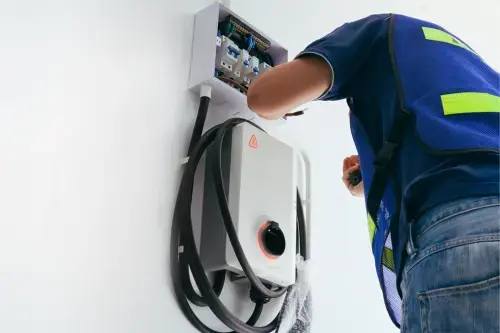
Can a Damaged Electrical Panel Be Repaired or Does It Need Replacement?

Most people open their electrical panel twice a decade, both times to reset a breaker in the dark. It sits in a basement or garage doing the least glamorous work in the house, which is why damage there goes unnoticed until something smells wrong.

That makes it different from a bad outlet or a dead switch. Every circuit runs through this one box, so a problem inside it reaches everything. Some panel damage is a parts job, and the electricians at Zimmerman Electric Indy fix plenty of them in an hour. Other panels are past saving, and no honest electrician will pretend otherwise. What follows is how that call actually gets made.

Common Signs of Electrical Panel Damage

Panels rarely fail all at once. They warn you first, and the warnings are easy to miss.

  • Breakers that trip during normal use. One trip after plugging in a space heater is the breaker working. The same breaker tripping weekly is not.
  • A burning smell near the panel. Hot plastic, scorched insulation, anything like that.
  • Buzzing, humming, or crackling from inside the box.
  • Rust streaks, water staining, or corrosion on the enclosure.
  • Lights that dim every time the furnace or refrigerator starts.
  • A panel door or breaker that feels warm.

The burning smell is the one that changes your afternoon. Shut off the main breaker and call an electrician. Do not open the cover, do not wait to see whether it clears up. Overheating inside a panel is how wall cavities catch fire, and by the time you smell it, the temperature in there has been climbing for a while.

Rust deserves a mention too, since Indianapolis basements flood more often than people admit. Surface rust on the door is cosmetic. Corrosion reaching the bus bars is not.

When Can an Electrical Panel Be Repaired?

Plenty of panel problems are component problems, and swapping a component costs a fraction of a replacement.

  • A single failed breaker that no longer trips or resets correctly
  • Loose lugs or terminals that need cleaning and retorquing
  • A damaged cover, missing knockout fillers, or a broken dead front
  • Adding a subpanel for circuit space without touching the main service
  • Replacing a corroded grounding connection

Repair makes sense when the panel underneath is sound. That means a manufacturer still in business, roughly twenty years old or less, clean bus bars, a dry enclosure, and breakers you can still buy.

Age alone does not condemn a panel, incidentally. A well installed thirty year old Square D in a dry utility room can be in better shape than something half its age sitting in a damp crawlspace.

One caution. A breaker that keeps tripping usually gets blamed on the breaker, and sometimes that is right. Sometimes the breaker is fine and the circuit behind it is overloaded, so the new part solves nothing and the real problem stays. Assessment comes before parts, not after.

When Does an Electrical Panel Need Replacement?

Some conditions take repair off the table entirely.

Fuse boxes. If your home still runs on fuses, you are on technology from the middle of the last century. Fuses cannot be reset, which pushes homeowners toward oversized replacements that remove the protection altogether.

Known defective brands. Federal Pacific Stab-Lok panels and Zinsco panels, sometimes labeled GTE-Sylvania, have documented histories of breakers failing to trip under overload. A breaker that will not trip is no longer a safety device. Insurers know this, and some refuse to cover homes with these panels or require replacement first. Check the label inside your panel door.

Burned or pitted bus bars. The bus bar is the panel. Once arcing has damaged it there is nothing to repair, because the damaged part is the structure everything else clips into.

Parts you cannot buy. Pushmatic and other discontinued lines work fine until a breaker fails, and then the search begins. Salvaged breakers from an unknown source are not a fix.

Capacity that ran out years ago. A 60 or 100 amp service was reasonable when the house had a window air conditioner and two televisions. Add a heat pump, a finished basement, and an EV charger, and the arithmetic stops working.

Factors That Determine Repair vs. Replacement

Electricians weigh a handful of things, and the answer shifts depending on which one matters most in your situation.

  • Age and condition. Twenty five years is a rough dividing line, though condition beats the calendar.
  • What caused the damage. A lightning surge is a different problem from years of running at capacity.
  • Your plans. An EV charger, a hot tub, or a basement remodel changes things, since a repaired panel with no open slots gets you nowhere.
  • The money, honestly compared.

That last one is where people talk themselves into the wrong choice. Panel replacement in Indianapolis generally runs $2,500 to $3,000, with a full service upgrade to 200 amps including meter and riser closer to $4,200. Permits add roughly $75 to $250. Reference numbers, not quotes, since the real figure depends on your service, panel location, and what the installation looks like once the cover comes off.

Spending $600 on repairs today and $2,800 on replacement in two years is worse math than replacing once. Not always. But often enough to deserve an honest conversation before anybody orders parts.

Why Professional Electrical Assessment Is Important

Everything that matters here sits behind a cover most homeowners should never remove. The conductors feeding your panel stay energized even with the main breaker off, which is the part people underestimate.

An assessment finds what a glance cannot:

  • Heat damage and discoloration on bus bars and lugs
  • Double tapped breakers, where two wires share a terminal built for one
  • Undersized or improperly bonded grounding
  • Circuits that need AFCI or GFCI protection under current code
  • Measured load, rather than a guess about capacity

There is a paperwork side too. Panel work needs a permit in Marion County and surrounding jurisdictions, and unpermitted work resurfaces during a home sale or an insurance claim. Zimmerman Electric Indy handles DBNS permitting, coordinates with AES Indiana when the service itself changes, and schedules the inspection.

The assessment is free and comes with a written estimate. Finding out what you have is cheaper than guessing wrong.

FAQs

How do I know if my electrical panel is damaged?

Look for scorch marks, rust, corrosion, or melted insulation around the breakers. Listen for buzzing. Notice whether breakers trip during ordinary use or lights dim when large appliances start. Any burning smell means shutting off the main and calling an electrician right away.

Can a tripped breaker mean my electrical panel needs replacement?

Usually not. Occasional tripping is the breaker protecting the circuit. Repeated tripping on one circuit points to an overload, a failing breaker, or a panel past its capacity. Telling them apart takes measurement, not guesswork.

How much does it cost to repair or replace an electrical panel?

A single breaker is modest. Full replacement in Indianapolis typically falls between $2,500 and $3,000, and a 200 amp service upgrade with meter and riser runs closer to $4,200. Permits add $75 to $250. Get a written estimate before agreeing to anything.

How long does an electrical panel typically last?

Between 25 and 40 years for a good panel in a dry location. Moisture, corrosion, and years of running near capacity shorten that. Defective brands like Federal Pacific and Zinsco should be replaced regardless of age.

How long does an electrical panel typically last?

Between 25 and 40 years for a good panel in a dry location. Moisture, corrosion, and years of running near capacity shorten that. Defective brands like Federal Pacific and Zinsco should be replaced regardless of age.

Should I replace an old electrical panel before selling my home?

Often yes. Home inspectors flag outdated panels, and a Federal Pacific or Zinsco panel gives buyers room to negotiate or scares off their lender. Replacing beforehand removes the objection and gives you paperwork to hand over at closing.

Tow It or Drive It? A Semi Truck Repair Decision Guide for Omaha-Area Drivers

A warning light comes on outside Council Bluffs, and the next thirty seconds of thinking can cost more than the repair itself. Every driver searching for semi truck repair near me from the shoulder faces the same question. Can the truck make it to the shop under its own power, or does moving it destroy something expensive? Guess wrong in one direction and a small fault becomes an engine replacement. Guess wrong in the other and a tow bill gets paid for nothing.

Truthfully, most drivers already know the answer in their gut and want permission to act on it. This guide gives that permission some structure. Before typing semi truck repair near me and picking the closest result, run the symptom through the checks below and let the truck itself make the call.

The good news for local operators is that the decision gets easier when the shop sits close. MSR Manufacturing & Truck Sales works out of Crescent, Iowa, about five minutes from Omaha and Council Bluffs, which turns many borderline situations into a short, careful trip instead of a gamble across half the metro. Distance changes everything in this decision, and more on that below.

Three Questions That Decide Whether You Tow or Drive

Start here. First, is the truck safe to operate at all? Brakes, steering, and anything leaking onto hot components settle the matter on their own. Second, will running the engine make the damage worse? Some faults stay stable for fifty miles, and others multiply by the minute. Third, what does the math say? Weigh the cost of a tow against the cost of the repair growing while the wheels turn. A tow feels expensive right up until the moment it becomes the cheapest line on the invoice.

Symptoms That Mean Shut It Down and Call a Tow

Certain warnings leave no room for debate. Shut the engine off and arrange a tow when you see any of these:

  • Oil pressure dropping or the low-pressure warning staying lit.
  • Coolant temperature climbing fast or steam coming from under the hood.
  • Loud knocking or metal-on-metal noise from the engine
  • Air pressure loss in the brake system
  • Fuel or oil visibly leaking onto the ground or exhaust.
  • White smoke pouring from the exhaust in heavy clouds

Here is why the tow wins every time in these cases. An engine running without oil pressure or proper cooling can destroy itself in minutes. The bearing that needed a repair becomes a crankshaft that needs a machine shop, and the bill grows to zero. No delivery window justifies that trade.

Problems That Usually Allow a Careful Drive to the Repair Shop

Plenty of faults announce themselves without demanding an immediate shutdown. A steady check engine light with normal gauges usually permits a slow, careful trip. So does a mild injector miss, a belt squeal, hard starting that clears once the engine warms, or a DPF asking for a regen. The word careful carries weight here. Keep the speed down, watch the temperature gauge as it owes you money, and pull over the moment anything changes.

One habit separates experienced drivers from nervous ones. They check the gauges every minute or two on the way in. A stable gauge is a promise. A moving one is a warning.

The Grey Zone: What Derate Mode Really Tells You

Derate mode confuses more drivers than any other condition. The engine computer cuts power to protect itself, often over an emissions fault, a sensor reading, or a DEF issue. The truck still runs, just slowly, and that tempts people into long limps home. Short answer: a derated truck can usually cover a short local distance with stable gauges, but a 200-mile run in derate invites a second fault on top of the first. Sensor problems causing derate conditions are a routine diagnosis at the shop level. Let the computer’s caution be your caution.

Why Being Near Omaha Changes the Semi Truck Repair Math

Distance is the quiet variable in every tow-or-drive call. A symptom that forbids a two-hour haul often tolerates a ten-minute one. Operators around Omaha, Council Bluffs, Bellevue, Papillion, La Vista, Gretna, and Carter Lake fall within that ten-minute window from the MSR shop, which reduces the risk on borderline calls. The same logic works in reverse. The farther the shop, the more the tow deserves the benefit of the doubt. A driver in Gretna and a driver in Grand Island can face the same warning light and correctly make opposite choices.

Call the Repair Shop Before the Truck Moves Anywhere

One step beats every rule in this guide. Call the shop and describe the symptom before deciding. A shop that diagnoses trucks all day can often tell you over the phone whether the fault tolerates a drive, and that two-minute conversation has saved more engines than any dashboard light. Call or text MSR at (402) 810-5057 and describe what the truck is doing. The shop works on Cummins, Power Stroke, Duramax, CAT, Detroit Diesel, and International engines, checks the fault, and gives a quote before any work starts. You approve the repair, then the wrenches move.

There is a quieter lesson hiding in all of this. Most tow-or-drive emergencies started weeks earlier as a small symptom somebody ignored. The hard start that got worse. The coolant level that kept dropping a little. Scheduled maintenance and early inspection catch these faults while they are still cheap, and the drivers who bring trucks in at the first odd noise rarely end up on the shoulder doing math. The tow-or-drive question is worth learning. Never needing to ask it is better.

Finding a P-Shot Near Me: Why Provider Credentials Matter More Than Price

First of all, searching for P-Shot near me requires more courage than most people realize. Dealing with erectile dysfunction issues takes some time, and there are a lot of questions to address since a lot of men suffer with these worries for months before they go in search of where to obtain assistance. And that is payoff right there, the urgency this relies on. It’s increasingly filling with deep discount offers, limited-time pricing, and med spas that just added the procedure to their menu a few months ago. So the prices look enticing, and little is said about the risks behind those prices.

And now comes the uncomfortable P-shot near me searching part. It consists of injecting PRP into one of the most intimate and vascular-dense regions of a man. That results page with its dollar sign & corresponding number is immaterial compared to the person holding that needle right now. Unintentionally, you could be the recipient of low payment or fees from an unqualified doctor and an undertrained injector. 

In this guide, you will learn what the procedure actually entails, how bargain hunting can backfire, and what you must check before booking anywhere, including at Atlanta Men’s Clinic. We are not trying to scare you from treatment. This is to guide you with selection; a good outcome begins even before the injection itself.

What the P-Shot Actually Involves

The P-Shot (which stands for the Priapus Shot) is a type of regenerative therapy for sexual health. A doctor takes some of your blood, spins it in a centrifuge to get targeted platelets, and injects that plasma into certain parts of the penis. PRP is believed to have a range of growth factors that enhance blood flow and assist with tissue repair, hence the appeal for the treatment to men who have not benefited from oral ED medications.

That description sounds simple. The execution is not. Safety and outcome depend on platelet concentration, depth of injection, placement, and screening. It’s not a cosmetic belt you crank yourself into before lunchtime; this is a surgical procedure done on erectile tissue.

The Hidden Dangers of Cheap P-Shot Deals

Ask yourself what a steep discount usually means in medicine. Lower overhead means lower prices, and here overhead includes physician time, quality equipment, lab work, and follow-up care. When a clinic sells the procedure at half the going price, something got cut in that chain. Maybe the person who is injecting them is not even a doctor. Maybe the centrifuge is a low-budget version that creates poor platelet-rich concentrations. Maybe no one even reviews your labs or health history before you pay for it.

The worst-case outcomes are real. Injections out of the anatomical planes may lead to pain, scarring, nodules, or irreversible necrosis. Which is to say, you can not return tissue like you return a faulty product. Chasing the lowest price, some guys found that they were paying twice, once for the bargain basement procedure and a second time to a credentialed provider to fix what had gone horribly wrong. At that point, saving a few hundred dollars isn’t so clever.

Provider Credentials That Have Real Meaning

Marketing language with credentials behind it is not the same thing. A clinic could claim to have advanced or elite training with no certificate in sight. So, move beyond the adjectives and check this.

  • Led by a certified doctor, the scientific crew is registered with the country’s medical board. In Georgia, that equates to the Georgia Composite Medical Board.
  • The physicians are trained or certified in regenerative medicine (not a resume of a weekend-long injectables course).
  • Your blood work and health history are reviewed before approving treatment.
  • The provider can explain, in plain language, who the P-Shot helps and who it does not. 

That last point deserves attention. When a provider tells you the P-Shot might not be a good fit for your needs, they are providing something no ad can show you. Typically, relative honesty at the time of consultation predicts relative honesty in other contexts.

P-Shot Questions to Ask Before You Book an Appointment

We have to regard that first phone call or visit as an interview. Ask these directly.

  • Who administers the injection, and what is their medical qualification?
  • How many of these procedures has your clinic done?
  • What screening is done before treatment, and does that include labs?
  • What is a realistic result for someone with my type of health?
  • What type of follow-up care does he provide, and who do I contact if something seems wrong?

Notice how the questions resonate with others. A credible clinic would answer, without missing a beat. A bad one is ambiguous, defers to price, or hurries you into a same-day decision.

Example of a Proper Consultation

A real inspection prioritizes your health over the means by which you will pay. Find a full lab panel, take a good look at your medical history, and find out what is really causing your symptoms. One of the biggest causes of erectile trouble that is overlooked, low testosterone, cannot be fixed with an injection. This is checked first by a thorough provider rather than just assuming the P-Shot is for all.

You ought to be hearing about some alternatives too. Acoustic wave therapy, testosterone replacement therapy, and different kinds of regenerative treatments each provide a better fit for specific situations. If there is only one treatment available at a clinic, somehow every patient needs that one treatment! That pattern should bother you.

Price matters, Just Not First

This is not to say that cost does not matter. This means that the cost is third in consideration after the injector and how in-depth the evaluation will be. Fair pricing is transparent pricing. A reliable clinic tells you how much the procedure will cost, what is included in that fee, and whether follow-up visits are covered, even before you commit.

So reorder the search. Identify the qualified providers in your area first, then evaluate their credentials and their process, and at that point compare price among those who qualify. The men who regret this procedure almost never regret paying for skill. They regret paying for the discount.  Make an appointment, come with your questions, and let answers and not price determine your decision.

The Real Reason Your Luxury Salon Visit Costs What It Costs

The number on the screen makes some people pause. A full custom color at a luxury salon can run three or four times what a quick chain visit costs, and nobody ever explains the gap. So the doubt creeps in. Are you paying for a nicer chair and a better playlist? The short answer is no, and the longer answer is far more interesting than most salons bother to share with their clients.

The price at a luxury salon comes down to three things: the hours of hands-on time a service takes, the training behind the person holding the brush, and the products that end up on your head. None of those appear on the receipt as separate lines, which is perhaps why the total feels mysterious. It is not mysterious. It is just itemized in skill instead of ink.

AltaRd Salon LLC – Centerville, Dayton is a useful example, along with its original Fairborn location that opened in 2022. Owner Ashley Hamby built both around a hybrid idea, pairing an open floor where the music plays and the energy stays up with private suites for anyone who wants a quieter appointment. The setting feels indulgent, sure. But the pricing has less to do with the room and more to do with what happens in the chair.

The Hours Behind Every Luxury Salon Color Service

Lived-in color, one of AltaRd Salon’s signature services, is designed to grow out pretty instead of growing out obvious. Reaching that result takes careful sectioning, hand-placed lightener, toning, and a stylist making dozens of small judgment calls along the way. A full custom highlight can hold a stylist at your chair for hours.

Compare that with a rushed appointment where color goes on in fifteen minutes. Both get called highlights. Only one of them still looks intentional in month three, and month three is where the cheaper service quietly loses the comparison.

Training runs deep on the cutting side too. Katrina Roberts, the salon’s designated curl specialist, brings 23 years of experience along with training in custom curl cuts and pintura highlighting, a coloring technique built for curly and textured hair. Specialists like that rarely appear at quick-service chains.

Professional Products Are Part of the Price

AltaRd Salon’s stylists work with Redken and Kérastase because those lines give more control over the lightening process. Control matters most when your hair sits somewhere fragile, like previously colored ends or fine strands that snap under harsh formulas. Cheaper products lift color too. They do it with less protection and fewer ways to slow things down when your hair starts protesting.

You also pay for the amount used. Long, thick hair drinks product, and a salon that never mentions this usually makes up the difference somewhere else.

Certified Extension Work and Why It Costs More

Extensions show the cost logic most clearly. The hair alone can run $1,000 or more before anyone touches your head. Then comes the method. AltaRd Salon’s technicians train in hand-tied wefts, sewn onto beaded rows so they lie flat and stay hidden when your hair goes up, and integrated mesh, which blends extension hair right at the root.

The salon also works with clients experiencing medical hair thinning. That work takes certification, patience, and a stylist who knows how to have a sensitive conversation. None of that comes cheap, and it should not.

When a Bargain Hair Service Ends Up Costing More

Ask any colorist what fills their books, and corrective work sits near the top. Box dye that turned muddy comes through the door weekly, along with blonding sessions from elsewhere that left banding and breakage. Fixing that damage takes longer than doing the job right the first time, sometimes across several visits, and the total often passes what the luxury service would have cost on day one.

The same logic applies to extensions. Poorly installed rows slip, tangle, and pull, and removing a bad install gently enough to save your natural hair is its own billable skill. That is the uncomfortable math behind salon pricing. The expensive appointment is frequently the cheaper one, measured over a year.

Stylists Who Set Their Own Prices

Here is a detail most clients never learn. Some AltaRd Salon’s stylists work on a booth rental model, which means they run their own schedule and set their own pricing. Rates reflect each stylist’s experience and demand rather than a corporate chart. The word from does real work in that list. Your final quote depends on your hair, your goal, and the stylist you choose, which is exactly how custom work should behave.

One Roof, Many Licensed Specialists

Part of the luxury salon price covers who is in the building. The Fairborn location keeps licensed estheticians for facials, dermaplaning, and chemical peels, nail technicians who specialize in Gel-X full sets and builder gel manicures, and waxing services performed with professional hard wax after a skin and medication check. There is even a licensed tattoo artist, Tera Wombold, doing single-needle fine-line work inside the salon. Every one of those licenses represents schooling, testing, and continuing education. You are not paying for one skill. You are paying for a building full of them.

Booking a Luxury Salon Visit in the Dayton Area

Extensions, vivid color, and corrective color all begin with a consultation at AltaRd Salon, because those services need a personalized plan before anyone can quote a fair price. Haircuts, standard color, facials, waxing, and nails can be booked directly.

The Fairborn location serves clients from across the Dayton area, Wright-Patterson AFB, Beavercreek, Xenia, and Yellow Springs, while the Centerville location covers the south side of town. Walk in expecting a coffee, a real conversation, and a clear explanation of what your service involves. Once you see the hours, the training, and the product behind the number, the price stops feeling like a mystery and starts feeling like the point.

Expert Witnesses: Who Defense Lawyers Hire and What They Cost

The prosecutor stands up and calls a forensic analyst. She holds a doctorate; she has testified two hundred times, and she works for a state lab that pays her salary whether your case wins or loses. Nobody bills you for her. She arrives because the state has an entire apparatus behind it. Then your side gets a turn, and suddenly the question of who speaks for you comes with an invoice attached. That imbalance surprises almost everyone the first time they encounter it.

An expert witness is someone the court permits to give an opinion, not just describe what they saw. Regular witnesses report facts. Experts interpret them. A defense attorney brings one in when the case turns on something a jury cannot evaluate on its own, and that decision usually arrives with a price tag that people did not budget for.

In domestic violence cases, that turn comes more often than people expect. These matters get framed as one person’s word against another’s, but the file frequently contains phone extractions, medical records, injunction paperwork, and 911 audio, none of which a jury can evaluate without help, and Piotrowski Law – Miami sees that gap open up early in these files. 

Which Experts Defense Lawyers Actually Hire

The type depends entirely on what the state is claiming. Piotrowski Law handles domestic violence matters across Miami-Dade where the outcome rests on technical evidence rather than the accounts given at the scene, and the expert selection follows the charge.

Common categories in domestic violence defense include:

  • Digital forensics analysts, who examine phone extractions, deleted messages, location data, and the full thread rather than the screenshotted portion
  • Medical experts, who review injury documentation and assess whether the pattern matches the alleged mechanism
  • Mental health professionals, for competency questions, sentencing mitigation, or evaluating claims made during an injunction proceeding
  • Forensic toxicologists, where intoxication is part of the state’s narrative
  • Audio and video analysts, who authenticate recordings or recover what a poor-quality file actually captured
  • Accident reconstruction and biomechanics specialists, in cases where the defense is that an injury happened another way

Some experts testify. Others never see a courtroom at all.

A consulting expert reviews the state’s evidence privately and tells your attorney where the weaknesses sit. That work stays protected. If the findings hurt you, nobody hears them. Testifying experts get disclosed to the prosecution, and their reports become discoverable. Attorneys often hire a consultant first and only convert them to a testifying role once the analysis holds up.

What Expert Witnesses Cost in a Criminal Case

Numbers vary widely, and anyone quoting a single figure is guessing. Here is a realistic range based on what these fields command.

Most experts charge in three separate buckets:

  • A retainer to open the file, frequently between two and ten thousand dollars
  • An hourly rate for review and report writing, often 250 to 600 dollars
  • A daily rate for testimony, which can run 2,000 to 5,000 dollars or more

Travel gets billed on top. So does waiting time at the courthouse, which is not small. Court schedules slip constantly, and an expert who sits in a hallway for six hours bills for those six hours.

A phone extraction review in a misdemeanor battery case might total three to five thousand dollars. A contested medical causation dispute with a hearing on methodology can climb past twenty thousand. Cases involving months of digital communications sometimes run higher than that, because the message volume alone consumes weeks.

Perhaps that sounds like a lot. Compare it against a conviction that carries a permanent firearm prohibition, immigration consequences, and a record that follows you through every future custody proceeding, and the arithmetic shifts.

Why the Judge Might Exclude Your Expert Anyway

Paying for an expert does not guarantee the jury hears them. Florida courts apply the Daubert standard, which came into the state evidence code in 2013 and returned in 2019 after a period of back-and-forth.

Under that standard, a judge screens the testimony before it reaches a jury. The court asks whether the method can be tested, whether peers have reviewed it, what the error rate looks like, and whether the field generally accepts the approach.

Prosecutors file motions to exclude defense experts regularly. Your attorney has to defend the expert’s qualifications and methods in a separate hearing, sometimes lasting a full day. That hearing costs money too, since the expert usually has to appear.

Here is why experience matters at the selection stage. An impressive resume does not survive a Daubert challenge if the underlying method is shaky. Attorneys who have watched experts get excluded learn to screen for that risk before writing the retainer check.

When Your Case Does Not Need an Expert At All

Not every case justifies the expense, and a defense attorney who recommends one on every file is not doing careful work. Domestic violence matters resolve on other grounds constantly.

Skip the expert when:

  • The state’s own report already contains the inconsistency your attorney can point out.
  • Cross-examination of the responding officer accomplishes the same thing.
  • The disputed issue is credibility rather than science, which in these cases it often is.
  • The complaining witness has given accounts that differ from one another.
  • The cost exceeds any realistic benefit to the outcome.

Sometimes the strongest move is attacking the state’s evidence instead of hiring your own expert. Officers write reports from memory hours after the call. Photographs get taken in poor light. Recordings capture only part of an exchange. A defense attorney who knows how these files get built can dismantle the state’s version without spending a dollar on a competing witness.

People underestimate how often that happens. The dramatic version involves dueling experts. The common version involves one careful question about what the officer actually saw versus what he was told.

Questions to Ask Your Attorney About Expert Costs

Money conversations feel awkward. Have them anyway, early, before the retainer gets sent.

Next steps for you:

  • Ask whether the case realistically needs an expert or whether cross-examination covers it.
  • Ask whether the expert fee sits outside your attorney fee, because it almost always does.
  • Ask who pays if the expert reviews the evidence and the findings are unhelpful.
  • Ask whether a consulting expert makes sense before committing to a testifying one.
  • Ask what happens to the money if the case resolves before trial.
  • Ask how the expert question interacts with the injunction hearing, which often arrives before the criminal case moves.

That third question catches people. Expert fees get paid for the work performed, not the result delivered. An analyst who reviews your file and concludes the state got it right still bills for the review. Knowing that upfront prevents a difficult conversation later.

Ask also about indigency. Florida courts can authorize funds for expert services in certain circumstances, though the process has requirements and limits worth understanding before assuming it applies.

Taken Together

The imbalance between state resources and private defense is real. Closing part of that gap costs money, and pretending otherwise helps nobody. What you can control is whether the spending goes where it changes the outcome.

If you are facing a domestic violence charge in Miami-Dade and want an honest assessment of whether your case needs expert testimony, reach out for a free consultation.

Intensive Driving Tuition in Glasgow for Fast Licensing Turns Test Failures into First-Class Driving Skills

Failing a driving test rarely means a learner cannot drive. Most marking sheets point to the same small cluster of faults, repeated under pressure. Intensive driving tuition in Glasgow for fast licensing gives those learners a fast route back, with hours shaped around the exact errors that cost them the pass.

Examiners at Shieldhall and Anniesland see the same errors week after week. Weak observation at junctions. Hesitation that gets recorded as undue caution. Intensive driving tuition in Glasgow for fast licensing works by hitting those weak points across concentrated sessions, instead of stretching slow progress over months of single weekly lessons.

Old Faults Cost More to Repeat Than to Fix

Reading the Fault Sheet: Every candidate leaves the test centre with a sheet showing exactly where the drive slipped. Three or four faults, clustered around one or two habits, decide most results. Learners who file that sheet away and rebook end up paying twice, then waiting months for another slot.

Failure Carries a Running Cost: Test fees, another day of car hire, more weeks on a provisional, and a queue for the next slot at Baillieston. Each attempt adds to the bill. Correcting two or three habits inside one concentrated block costs less than a third trip to the test centre.

Concentrated Hours Break Habits That Weekly Lessons Protect

Repetition Close Together Sticks: Skills fade between lessons spread seven days apart. The first twenty minutes of every session go on recovering ground lost since the last one. Compress those hours into consecutive days and the correction holds. Mirror routine and observation at busy junctions begin to feel automatic rather than forced.

Where the Hours Go: An intensive block is not a week of aimless driving around Glasgow. Hours get assigned to the faults recorded on the last sheet, then to the roads and roundabouts near the chosen test centre. A well built retest plan covers ground that weekly lessons never get round to.

  • Roundabout lane discipline on Great Western Road, where late positioning turns serious.
  • Merging onto the M8 without stalling the traffic behind.
  • Independent driving from signs alone.
  • Bay parking judged against the standard an examiner records, not the standard a friend accepts.
  • Hazard perception near Charing Cross, where parked cars hide pedestrians.

One Assessment Drive Decides How Many Hours Follow

The First Drive Sets the Plan: Before a block gets booked, an Approved Driving Instructor takes the learner out on a normal route. Junctions, a stretch of dual carriageway, a couple of manoeuvres, an emergency stop. Forty minutes in a dual control car shows more about readiness than any conversation ever will.

Hours Matched to Ability: Someone who failed on a single serious fault might need fifteen hours. A learner whose test fell apart under nerves and stacked up minors could need thirty. Selling every candidate the same fixed package ignores the Driver and Vehicle Standards Agency standard the examiner marks against.

Frequently Asked Questions

How soon can a learner sit another practical test after failing? 

The Driver and Vehicle Standards Agency sets a minimum wait of ten working days before a retest. Booking early matters because Glasgow centres fill quickly, and an intensive block is planned backwards from the confirmed date. Late booking pushes the test back by weeks.

Does an intensive course suit a nervous driver? 

Nerves respond well to repetition. Driving on consecutive days closes the gap where anxiety builds, and familiar roads near the test centre remove one unknown. An instructor working to a structured lesson plan can rehearse the moments that caused panic last time.

How many hours does a driver need after one failure? 

Most learners already close to test standard need between ten and twenty five hours to clear the faults on their marking sheet. The figure comes from an assessment drive rather than a fixed package, since two candidates rarely fail for identical reasons.

The Licence is Closer Than it Feels

A failed test marks a stopping point, not a verdict on ability. The faults sit in writing, and the routes have not changed. Learners who want the licence sooner should book an assessment drive with an Approved Driving Instructor and put the next block of hours where the marking sheet points.

Is OrthoK the Best Option for Managing Myopia in Reseda?

Myopia rates are skyrocketing among children and teenagers, creating a growing crisis that parents and eye care professionals can no longer ignore. What once affected a small percentage of the population now impacts nearly half of all young people in some areas. The implications extend far beyond needing stronger glasses – progressive myopia significantly increases the risk of serious eye diseases later in life.

Orthokeratology has emerged as one of the most promising treatments for controlling myopia progression while providing clear daytime vision without glasses or contacts. Reseda OrthoK specialists report increasing interest from families seeking alternatives to traditional glasses that do nothing to slow their children’s worsening vision. But is this overnight lens treatment really the best choice for managing myopia, or are there better options available?

The answer depends on several factors including age, lifestyle, prescription strength, and individual circumstances. This comprehensive comparison examines how OrthoK stacks up against other myopia management options to help you make an informed decision about the best path forward for your vision health.

What Is Orthokeratology and How Does It Work?

Orthokeratology uses specially designed rigid gas-permeable contact lenses worn only during sleep to gently reshape the cornea. These custom-fitted lenses apply controlled pressure to flatten the central cornea, temporarily changing how light enters the eye to correct refractive errors.

The process works gradually over several nights. Most patients notice vision improvement within the first few days, though optimal results typically take 1-2 weeks to achieve. Once the desired corneal shape is established, wearing the lenses just a few nights per week often maintains the effect.

Unlike glasses that simply redirect light without changing the eye itself, OrthoK actually modifies the corneal curvature to provide natural clear vision during waking hours. The changes are completely reversible – stop wearing the lenses and your eyes return to their original shape within days.

This differs significantly from LASIK surgery, which permanently alters corneal tissue. OrthoK offers similar daytime vision benefits without surgical risks or permanent changes. For Reseda residents, this means access to advanced vision correction without the commitment and potential complications of surgery.

The convenience factor appeals to many patients. No daytime contacts to lose or irritate your eyes. No glasses to break during sports or slip down your nose during important presentations. Just clear, natural vision from morning until night.

Benefits of OrthoK for Myopia Management

The most compelling advantage of orthokeratology is its proven ability to slow myopia progression in children and teenagers. Clinical studies demonstrate that OrthoK can reduce the rate of myopia advancement by 30-60% compared to traditional glasses or regular contact lenses.

This progression control matters enormously for long-term eye health. Each diopter of myopia increases the risk of retinal detachment, glaucoma, and macular degeneration. Slowing progression during childhood can literally save sight decades later when these complications typically emerge.

Clear daytime vision without any corrective devices transforms daily life for active individuals. Children perform better in school when they can see the whiteboard clearly from any seat. Athletes excel when they don’t worry about glasses falling off or contacts shifting during competition.

The psychological benefits often surprise parents. Children gain confidence when they no longer feel self-conscious about wearing glasses. Social interactions improve when they’re not constantly adjusting frames or cleaning lenses.

Swimming becomes enjoyable again without prescription goggles or the risk of losing contacts in the water. Beach vacations and pool parties no longer require special planning around vision correction needs.

Perhaps most importantly, OrthoK gives patients freedom to live without constant awareness of their vision correction. Many describe feeling “normal” for the first time since developing myopia.

Comparing OrthoK with Other Myopia Control Options

Traditional single-vision glasses provide clear distance vision but do nothing to slow myopia progression. In fact, some research suggests they may actually accelerate progression in certain patients. While glasses remain the most common treatment, they offer no long-term benefits for controlling the underlying condition.

Multifocal soft contact lenses show promise for myopia control, reducing progression by 25-50% in clinical trials. These daytime lenses are easier for some children to handle than OrthoK, but they require daily insertion and removal. The vision quality often doesn’t match what OrthoK provides, and the myopia control effect appears less consistent.

Low-dose atropine eye drops have gained attention for their ability to slow myopia progression with minimal side effects at concentrations of 0.01-0.05%. The drops are easy to use and well-tolerated, but they provide no vision correction. Patients still need glasses or contacts for clear vision.

Lifestyle modifications like increased outdoor time and reduced near work can help prevent myopia onset and may slow progression slightly. These changes benefit overall health but rarely provide sufficient myopia control on their own for children who already show significant progression.

OrthoK often works best for patients who want both excellent vision correction and maximum myopia control in a single treatment. The combination of benefits makes it particularly appealing for active children and teenagers.

Some patients do better with combination approaches. Atropine drops plus OrthoK may provide enhanced myopia control for aggressive progressors. The flexibility to modify treatment based on individual response represents a significant advantage.

Making the Right Choice

OrthoK represents an excellent option for myopia management, but it’s not necessarily the best choice for everyone. The combination of vision correction and progression control makes it particularly valuable for children and active adults, though other treatments may work better in specific situations.

Schedule a consultation with a Reseda eye care specialist to discuss OrthoK and other myopia management treatments. Learn which approach offers the best combination of vision correction, progression control, and lifestyle compatibility for your situation.

Frequently Asked Questions

At what age can children start OrthoK in Reseda?

Most children can begin orthokeratology treatment around age 8-10, depending on their maturity level and ability to handle contact lens care responsibilities. Some younger children may be candidates with sufficient parental supervision and demonstrated responsibility.

How quickly will vision improve with OrthoK?

Most patients notice significant vision improvement within the first few nights of treatment. Optimal results typically develop over 1-2 weeks as the cornea adapts to its new shape. Some patients achieve excellent vision after just one night of wear.

Is OrthoK safe for long-term use?

Long-term studies spanning over a decade demonstrate that OrthoK maintains its safety profile with continued use when proper care protocols are followed. Regular monitoring and good hygiene practices virtually eliminate the risk of serious complications.

How does the cost of OrthoK compare to other treatments?

OrthoK involves higher upfront costs than glasses but often proves more economical than frequent prescription changes or multiple pairs of glasses over time. Many insurance plans now recognize myopia control as medically necessary and provide coverage.

Can adults with myopia benefit from OrthoK too?

Adults can achieve excellent vision correction with OrthoK, though the myopia control benefits are most pronounced in children and teenagers. Many adults choose OrthoK for the convenience and lifestyle advantages it provides over glasses or daytime contacts.

How Often Should You Service a Water Pump System?

Your water pump has been running faithfully for years. Maybe you’ve never given it much thought beyond the monthly electric bill. But here’s the uncomfortable truth: water pump systems fail without warning, usually at the worst possible moment, and almost always because of neglected maintenance that could have prevented the breakdown entirely.

The question isn’t whether your pump will need service. It’s whether you’ll handle maintenance on your schedule or deal with emergency repairs when the system decides to quit. Companies like The Water Guys North see this pattern constantly – homeowners who ignore routine maintenance end up facing much larger repair bills and days without water.

The Real Cost of Skipping Maintenance

Most people think water pump maintenance is just another expense. They’re wrong. Skipping maintenance is the expensive choice.

A typical service call costs $150-300. Emergency weekend repairs start at $400-600 before any actual work begins. Complete pump replacement runs $2,000-5,000 depending on your well depth and local labor rates.

Regular maintenance catches problems when they’re small and cheap to fix. A $40 pressure switch replacement during routine service beats a $800 emergency call when your pump won’t start on Sunday morning.

The math gets worse when you factor in water damage. Pump failures can cause basement flooding, damaged appliances, and ruined household items. Insurance might not cover damage from neglected maintenance.

Annual Service: The Bare Minimum

Every water pump system needs professional attention at least once per year. This isn’t optional if you want to avoid bigger problems down the road.

Annual service should include pressure testing, electrical connection inspection, and control system calibration. Your technician needs to verify that your pressure tank maintains proper air charge and that your pressure switch operates within correct ranges.

Water quality testing during annual service can reveal problems that damage pump components over time. High iron content, pH imbalances, and bacterial contamination all affect pump longevity.

Perhaps most importantly, annual service gives you advance warning about components that are wearing out. Replacing a failing pressure switch during scheduled maintenance costs much less than emergency replacement when it fails completely.

What Happens During Professional Service

Professional water pump service involves more than just looking at equipment and checking boxes on a form. Good technicians test system performance under actual operating conditions.

  • Electrical testing verifies that your pump motor draws proper amperage and that all connections remain tight and corrosion-free. Loose connections cause overheating and eventual motor failure.
  • Pressure system testing confirms that your pressure tank holds proper air charge and that your pressure switch operates at correct settings. Most systems should start at 40 PSI and stop at 60 PSI, but some applications require different settings.
  • Flow rate testing determines whether your pump still delivers adequate water volume for your household needs. Declining flow rates often indicate internal pump wear or well problems.
  • Control system inspection covers pressure switches, check valves, and any smart controls or monitoring equipment. These components fail more frequently than pump motors but cost much less to replace when caught early.

Seasonal Considerations That Matter

Your water pump system faces different stresses throughout the year. Smart maintenance scheduling accounts for these seasonal factors.

  • Spring maintenance should happen after winter freeze-thaw cycles that can damage exposed piping and electrical connections. This is also the best time to test your system under increasing demand as irrigation and outdoor water use resume.
  • Fall maintenance prepares your system for winter operation. Technicians should verify that your pump house heating works properly and that all exposed components have adequate freeze protection.
  • Summer brings peak water usage in most households. If you’re going to have pump problems, they often show up during high-demand periods when irrigation systems, pools, and increased household water use stress aging equipment.

Signs You Need Service Sooner

Some symptoms indicate your water pump system needs attention before your next scheduled maintenance.

  • Rapid cycling means your pump starts and stops frequently even when you’re not using much water. This usually indicates pressure tank problems or check valve failure that will get worse until fixed.
  • Pressure fluctuations during normal water use suggest your pump is struggling to maintain adequate flow. The problem might be internal pump wear, electrical issues, or well problems that require immediate attention.
  • Unusual noises from your pump or pressure tank often indicate bearing problems, loose components, or cavitation from air leaks. These problems cause additional damage if ignored.
  • Higher electric bills without increased water usage can mean your pump is working harder due to internal wear or system problems that reduce operating performance.

DIY Maintenance Between Service Calls

You can’t replace professional service, but simple DIY maintenance between service calls helps prevent problems and extends equipment life.

  • Monthly listening checks help you learn what normal operation sounds like. When something changes, you’ll notice before small problems become big ones.
  • Quarterly pressure tank air charge checks take five minutes and prevent rapid cycling problems. Most pressure tanks lose air charge slowly over time and need occasional adjustment.
  • Annual well house heating tests should happen before cold weather arrives. Frozen pipes and electrical equipment cause expensive damage that’s completely preventable.
  • Water quality observation helps you spot changes that might affect your pump system. Rusty water, unusual tastes, or strange odors can indicate problems that need professional attention.

The Consequences of Waiting Too Long

Water pump systems don’t improve with age. Components wear out gradually, then fail suddenly. The longer you postpone maintenance, the more likely you are to face complete system failure.

Pump motors that run beyond their normal service life often fail catastrophically. Internal damage can contaminate your well with metal debris, requiring expensive well cleaning in addition to pump replacement.

Pressure tanks that lose their air charge cause pumps to cycle rapidly, dramatically shortening motor life. A $300 pressure tank replacement becomes a $3,000 pump and tank replacement when ignored too long.

Electrical problems that start small can damage multiple system components. A loose connection that causes slight overheating might eventually burn out your pump motor, pressure switch, and control panel.

Budget Planning for Pump Maintenance

Smart homeowners budget for water pump maintenance like they budget for car maintenance. Regular service costs are predictable and much smaller than emergency repairs.

Annual service typically costs $200-400 depending on your location and system complexity. Spread over 12 months, that’s $15-35 monthly. Compare this to emergency pump replacement costs that can hit $5,000 or more.

Many service companies offer maintenance contracts that include annual service plus discounted repair rates. These contracts often pay for themselves if you need even one emergency service call.

Making the Right Choice

Your water pump system is too important to your daily life to treat as an afterthought. Regular maintenance keeps water flowing reliably and prevents the kind of expensive emergencies that disrupt your life and strain your budget.

The question isn’t whether you can afford regular maintenance. It’s whether you can afford not to maintain your system properly. One emergency pump replacement costs more than five years of annual service.

Professional annual service, combined with basic DIY monitoring, gives you the best chance of avoiding water pump disasters. The small investment in regular maintenance pays dividends in system reliability and peace of mind.

Your water pump works harder than almost any other equipment in your home. Perhaps it deserves a little attention to keep doing its job reliably.

Featured Image Source: https://pixabay.com/photos/water-tap-drinking-water-save-water-7416239